Power Upgrades Backed by Dyno Verification
Diesel Performance Tuning & Upgrades in North Little Rock for operators demanding increased horsepower and towing capability
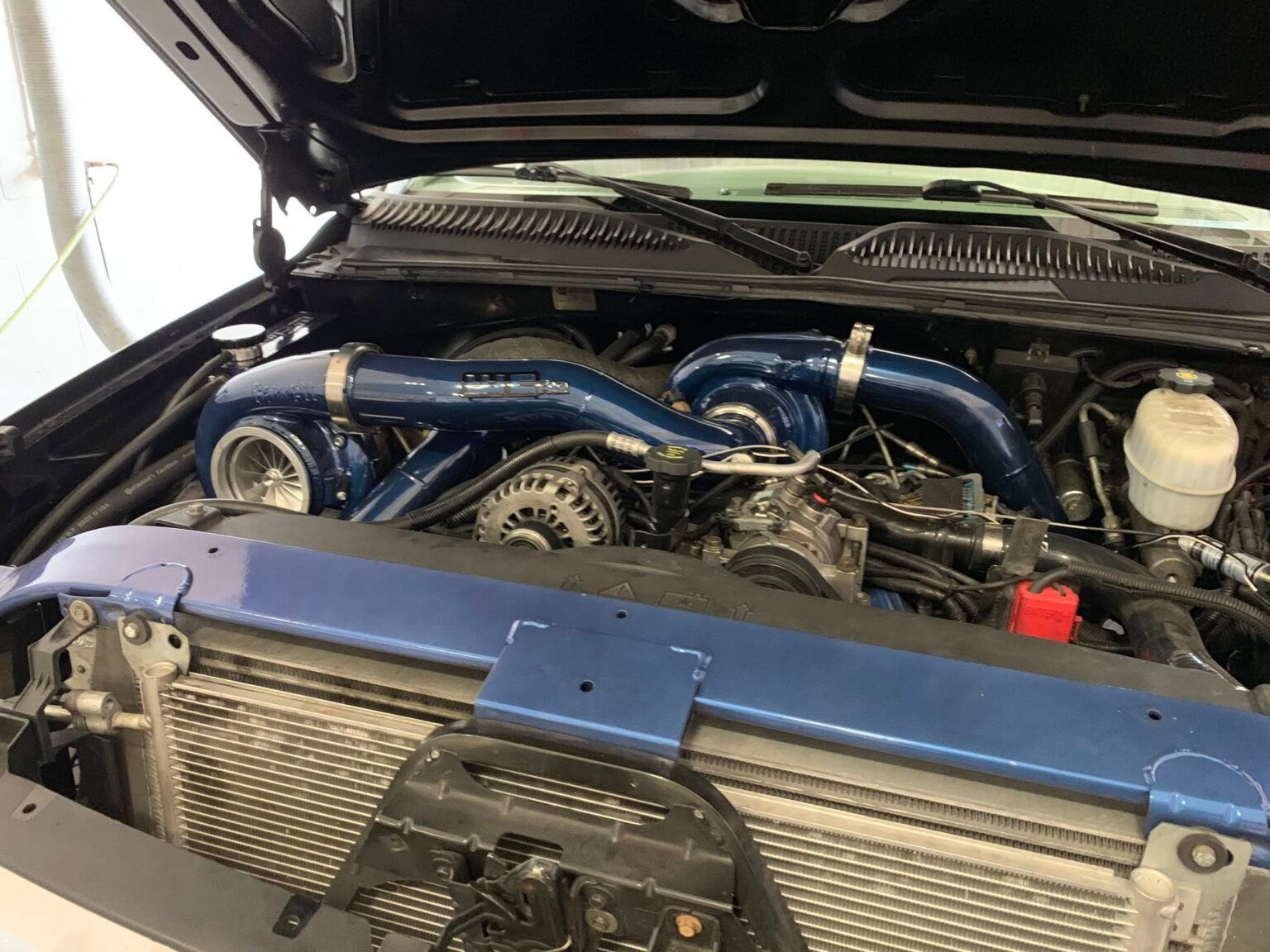
Turbo performance kits increase boost pressure through larger compressor wheels and exhaust housings that flow more air volume than factory turbochargers limited by emissions regulations. ECU and PCM tuning modifies fuel injection timing, duration, and rail pressure to extract additional horsepower from existing engine displacement without sacrificing reliability. Red's Diesel & Auto Repair installs complete diesel performance packages that coordinate turbo upgrades, fuel system enhancements, and computer programming to achieve specific power targets verified through chassis dynamometer testing.
Horsepower and torque upgrades require supporting modifications beyond simple programmer installation—increased fuel delivery demands upgraded injection pumps and larger injectors that maintain proper air-fuel ratios at higher boost levels. Cold air intake installation reduces inlet air temperature through enclosed airbox designs that draw cool air from outside the engine bay, increasing oxygen density for more complete combustion. Custom dyno tuning adjusts dozens of fuel and timing parameters across the engine's operating range to maximize power output while monitoring exhaust gas temperature and air-fuel ratios that prevent engine damage.
Request a performance consultation to establish realistic power goals based on your truck's current mechanical condition and intended use.
How Performance Modifications Actually Increase Output
ECU tuning accesses factory engine management software and modifies lookup tables that control fuel injection quantity, turbocharger wastegate position, and transmission shift behavior under various load conditions. Turbo performance kits replace restrictive exhaust housings with larger A/R ratio designs that reduce backpressure while maintaining boost response during throttle transitions. Cold air intakes eliminate the corrugated factory intake tubing that creates turbulence and pressure drop before air reaches the turbocharger compressor inlet.
Once performance upgrades complete, your truck accelerates noticeably faster from stops and maintains highway speeds up steep grades without downshifting. Red's Diesel & Auto Repair provides dyno sheets showing baseline and modified power curves that document horsepower and torque gains across the engine's RPM range. Throttle response sharpens significantly since optimized fuel delivery and boost control eliminate the lag that occurs when factory programming prioritizes emissions compliance over performance.
Complete diesel performance packages address cooling system capacity alongside power upgrades, since increased combustion energy generates additional heat that exceeds factory radiator and intercooler specifications. Transmission upgrades often accompany engine modifications to ensure clutch packs and torque converters handle elevated torque output without premature failure.
Performance Upgrade Questions Before Modifying Trucks
Performance modifications require balancing power goals against reliability concerns and understanding how component upgrades interact to produce safe, sustainable results.
What distinguishes custom dyno tuning from pre-loaded performance programs?
Custom dyno tuning develops calibrations specific to your truck's modifications and operating altitude through iterative power runs that adjust parameters while monitoring engine vitals, whereas pre-loaded programs use generic maps developed for stock engines that may not suit modified combinations. North Little Rock's elevation and humidity affect air density calculations in performance tuning.
How do turbo performance kits affect engine longevity?
Properly sized turbo upgrades increase power without exceeding cylinder pressure limits that crack pistons and heads, while excessive boost pressure from over-sized turbos generates combustion forces beyond the engine's structural capacity, causing accelerated wear and catastrophic failure.
When do fuel system upgrades become necessary during performance modifications?
Horsepower increases beyond 100 additional rear-wheel horsepower typically require fuel injector upgrades and high-pressure pump modifications to supply adequate fuel volume that maintains safe air-fuel ratios preventing detonation and excessive exhaust gas temperature.
What cold air intake designs produce measurable power gains?
Enclosed airboxes with smooth inlet tubing and high-flow filter elements demonstrate dyno-verified power increases, while open-element intakes drawing hot engine bay air often reduce power despite increased induction noise suggesting performance improvement.
How does performance tuning affect fuel economy?
Conservative tuning that improves throttle response and optimizes fuel delivery timing can increase fuel economy by 1-2 MPG during highway cruising, while aggressive programs maximizing horsepower typically reduce economy due to increased fuel consumption under acceleration and sustained high-load operation.
Red's Diesel & Auto Repair operates an in-house chassis dynamometer for baseline testing and post-modification verification of all performance work. Call (501) 243-0190 to discuss performance packages appropriate for your truck's platform and establish power goals supported by your engine's mechanical condition.